
Cichlids are one of the largest families of fishes with more than 2000 types of cichlids, and new species are being discovered every year!
Cichlids are attractive, active, are generally quite durable fish. The Cichlid family offers the widest variety of body shapes, a vast range of sizes, and some very beautiful coloration and patterning. These characteristics are further complimented by their remarkable behavior, highly complex yet ritualistic. They are very active, intriguing, and many cichlids can be very personable, readily greeting their keepers and begging for food. All these traits make cichlids a favorite aquarium fish.
Our list of cichlid types covers a wide array of species from all around the world. The cichlid family is so vast that there are many types of cichlids that make good aquarium inhabitants. Some South American Cichlid species are of a more amiable nature, such as the severum, angelfish, and dwarf cichlids. These can be kept in a group environment. But many others are quite aggressive and are best kept singly. The African cichlids from the Rift Lakes are highly prized for their color. Others for unique characteristics as seen in the popular Tropheus genus, featherfins, goby cichlids, and shelldwellers to name a few.
Some cichld species, both African Cichlids and South American Cichlids, reach an impressive size and are great specimens for a large show tank. However some are not really suitable for the home aquarium due to size. But most seen in the hobby have a mix of fascinating of characteristics and are a delight to keep.
- Information on freshwater aquariums for cichlids: Freshwater Aquarium Basics – Setting up a Freshwater Aquarium and Fish Care
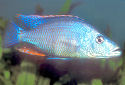
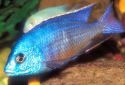
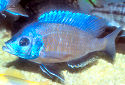
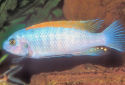
WFCiaf_C1442_vsm.jpg)
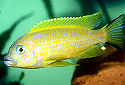
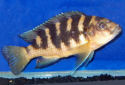
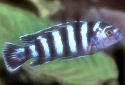
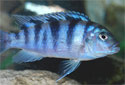
WFCiaf_Ap18BM_vsm.jpg)
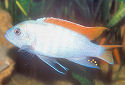
WFCiaf_Ap18BM_vsm.jpg)
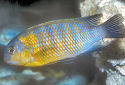
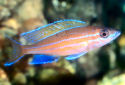
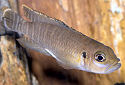
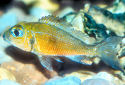
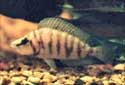
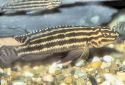
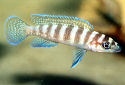
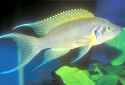
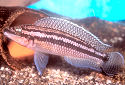
WFCiaf_Ap18BT_vsm.jpg)
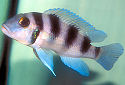
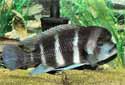
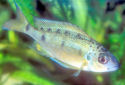
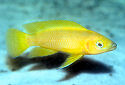
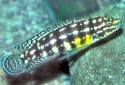
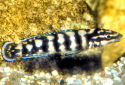
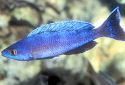
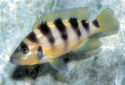
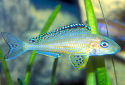
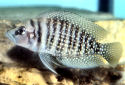
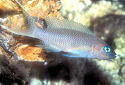
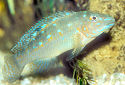
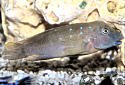
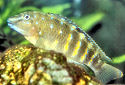
SpIlangiWFCiaf_Ap18BT_vsm.jpg)
SpRutungaWFCiaf_Ap18BT_vsm.jpg)
CichlidWFCiam_Ap4ACi_vsm.jpg)
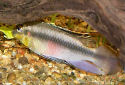
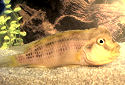

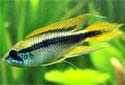
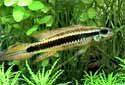
WFCiam_C1831_vsm.jpg)
AngelfishWFCiami_C2573_vsm.jpg)
WFCiam_Cn0937_vsm.jpg)
WFCiam_Ap4Af2_vsm.jpg)
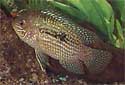
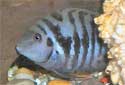
WFCiam_Cn0754_vsm.jpg)
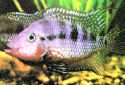
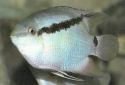
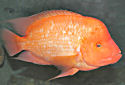
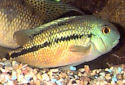
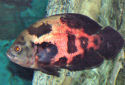
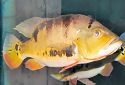
CichlidWFCiam_DD3Dg_vsm.jpg)
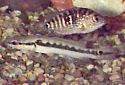
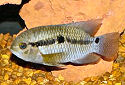
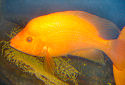
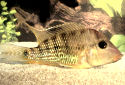
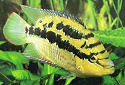
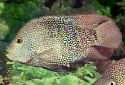
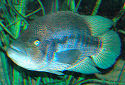
Description of Cichlids
Cichlids are found in Africa, Central and South America, and a few species from parts of Asia. Central and South America comprises a huge geographic area with greatly diverse habitats ranging from savannas to rainforests. Other types of cichlids are from the great rift lakes of Africa, as well as other lakes, rivers, and streams. Consequently, cichlids are found in a wide variety of conditions.
They are categorized as “secondary freshwater fish” – meaning their ancestors were marine fish. It is believed that cichlids moved to freshwaters from the marine environment, and they have features relating to a number of marine species including the wrasses, parrotfish, damsels, and surfperches.
The actual number of cichlid species is unknown but are generally estimated somewhere between 2000 to 5000, with at least 1300 species scientifically described. African Cichlids are conservatively estimated at about 1300 species, while South American Cichlids and Central American Cichlids are estimated at about 570 species.
The cichlid family is so vast that there many good aquarium inhabitants, but there are also many species that are not really suitable for the home aquarium due to size. For example, the Boulengerochromis microlepis from Africa, which reaches up to 36″ (90 cm) is really too large for most hobbyists. Some large South American cichlids that are occasionally available in the hobby are the Peacock Bass Cichla ocellaris, which grows to a length of 30″ (75 cm), and the Wolf Cichlid Parachromis dovii, which can reach a length of 24″ (60 cm). Both of these will require at least 250 gallons (946 L) with larger being better.
These and other large cichlids are popular food fish for the native people where they are found. Many of the smaller-sized cichlids species, vast in number, from the great African Lakes are also considered a tasty snack to those native peoples.
African Cichlids
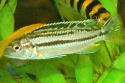
Perhaps the most popular cichlids are the African rift lake cichlids, which are some of the most colorful of all freshwater fishes. Besides the many colorful cichlids from the African lakes, there are others highly prized for patterning and other unique characteristics. These include seen in the popular Tropheus genus, featherfins, goby cichlids, sarding cichlids, and shelldwellers to name a few.
Like their South American counterparts, there are also some African Cichlids that reach an impressive size, making great specimens for a large show tank. Yet here too there are a few species are not really suitable for the home aquarium due to size. The Boulengerochromis microlepis, which reaches up to 36″ (90 cm), is a good example of too big.
For more in-depth info see: African Cichlid Facts: Information and Cichlid Care for African Cichlids
Most African Cichlids available in the hobby have a mix of fascinating characteristics and are a delight to keep.
- Lake Malawi Cichlids
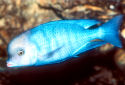
The Malawi Cichlids are some of the most brilliantly colored fishes. It is estimated there are over 800 species of Malawi cichlids but with only about 300 currently described by ichthyologists. They fall into two ecological groups, the Mbuna group and the Haplochromis group. Do not mix the two groups in the aquarium, as they are mostly incompatible. Only combining the Utaka from the Haplochromis group with Mbuna is possible if there is plenty of space.
- Mbuna group
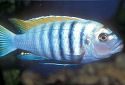
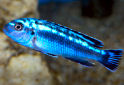
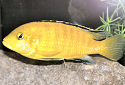
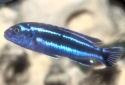
The Mbuna group is endemic to Lake Malawi. They inhabit the rocky areas of the lake.- Zebra Cichlids – Mbuna Cichlids – This group contains 12 genera of rock-dwelling Mbuna Cichlids, including the well-known Zebra Cichlids. This is a popular group of very active and aggressive personalities, often colored in blues with black bars, and yellows.
- Haplochromis group
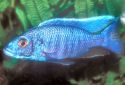
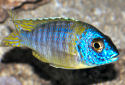
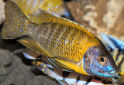
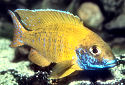
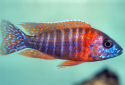
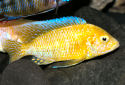
The Haplochromis group is another popular African cichlid group that inhabit the more sandy areas and open waters.- Peacock Cichlids – Peacock Cichlids are some of the most intensely colored of all the cichlid varieties. These are generally somewhat larger and more peaceful than the Zebra (mbuna) cichlids.
- Other Malawi Cichlids – These include Utaka Cichlids which tend to live in open waters.
- Peacock Cichlids – Peacock Cichlids are some of the most intensely colored of all the cichlid varieties. These are generally somewhat larger and more peaceful than the Zebra (mbuna) cichlids.
- Mbuna group
- Lake Tanganyika Cichlids
Lake Tanganyika, the second deepest lake in the world, is inhabited with almost 250 different species of cichlids and over 150 species of other fish. It is renowned for having two record-breaking inhabitants, the world’s largest cichlid at 31” (80 cm) and the world’s smallest cichlid at 1.4” (3.5 cm).
- Lake Tanganyika Cichlids
Many Tanganyika cichlids are unique in both body shape and in habitat. These include such varieties as the featherfins, gobies, julies, sardines, and shelldwellers.- Goby Cichlids – The Goby Cichlids live close to the shore in shallow waters. Like others in this group, these fish are generally more peaceful and a bit larger than the Zebra Cichlids
- Goby Cichlids – The Goby Cichlids live close to the shore in shallow waters. Like others in this group, these fish are generally more peaceful and a bit larger than the Zebra Cichlids
- Tropheus Cichlids
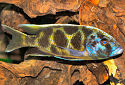
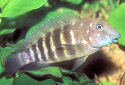
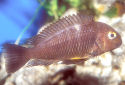
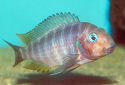
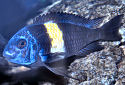
These are popular Tanganyika cichlids that inhabit the more sandy areas and open waters. They are generally somewhat larger and more peaceful than the Zebra (mbuna) cichlids.The popular Tropheus species are endemic to Lake Tanganyika. They are widely distributed along the coastal fringes of the lake and have many geographic variations. Many have not yet been described.
- Lake Tanganyika Cichlids
- Lake Victoria Cichlids – West Africa Dwarf Cichlids, West Africa Cichlids
There are many wonderful African cichlids that you may run across besides the highly popular species found in Lake Malawi or Lake Tanganyika. African cichlids also include a number of fish from West Africa, outlying islands including Madagascar, and cichlids from Lake Victoria.
- Lake Victoria Cichlids
There are several hundred vibrantly beautiful species of cichlids found in Lake Victoria alone. Other types of East African Cichlids include Victoria Cichlids found in lakes surrounding Lake Victoria. Others are native to African rivers and streams, and live in a wide variety of habitats.
- Dwarf Cichlids – West African Cichlids
Many West African cichlids are native to African rivers and streams, living a wide variety of habitats. These include the interesting and beautiful African Dwarf Cichlids such as the popular Kribensis.
- Lake Victoria Cichlids
South American Cichlids
The South American Cichlids are also known as New World cichlids and include Central American Cichlids and American Dwarf Cichlids. They are found primarily in Central and South America, with the Texas Cichlid found in the southern part of North America.
This is a vast geographic area with greatly diverse habitats ranging from savannas to rainforests, consequently, cichlids are found in a wide variety of conditions. The Amazon River contains a huge number of fish, one fifth of all freshwater fish species. Its waters are acidic and extremely soft, and much of it has detritus-covered sandy type substrate.
For more in-depth info see: South American Cichlids Facts: Information and Cichlid Care for New World Cichlids
South American Cichlids and Central American Cichlids are attractive, personable, and are generally quite durable fish. They come in a range of sizes and with some very beautiful colorations, making them favorite aquarium fish for many hobbyists. Many also reach an impressive size and are great for a large show tank.
There are distinctive types of South American cichlids, including:
- Large Cichlids – Large South American Cichlids
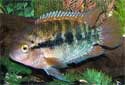
The Large American Cichlids, with their personalities, temperaments, and size, are great specimens for an awesome show tank. Because these fish get large, a 75 gallon aquarium is the standard suggested size for these fish. - Dwarf Cichlids – South American Dwarf Cichlids
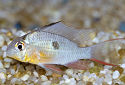
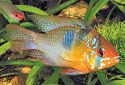
The American Dwarf Cichlids are also called the New World Dwarf Cichlids. These fish consist of small cichlids that only reach up to about 4 inches (10 cm) or so. They have attractive color patterns, and many species can be obtained in a variety of color morphs. Many will be content in an aquarium as small as 20 gallons. Dwarf Cichlids tend to be shy and somewhat delicate, so they are recommended for a bit more seasoned aquarist rather than a beginning cichlid keeper. - Unique Cichlid Types – Unique South American Cichlids
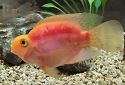
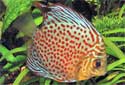
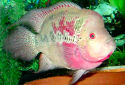
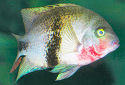
The Angelfish and Discus have some of the most unique body shapes, and some of the most beautiful and varied color patterns. These cichlids end up being more amiable than other cichlids and each variety will make a great show specimen. Some of the most unique in appearance are hybrids such as the Blood Parrot and the Flower Horn Cichlid. .
Featured Image Credit: Karel Zahradka, Shutterstock