
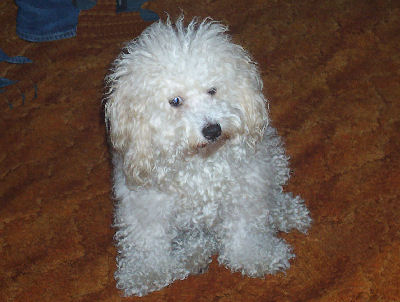
Bred since the 1970’s, the Schnoodle is a most curious hybrid and is fast becoming a popular pet.
The Schnoodle is a mixed dog breed, usually a cross between a Miniature or Toy Poodle and a Miniature Schnauzer though other size combinations may also be used. Hybrid’s temperaments are somewhat unpredictable, but the Schnoodle generally makes a great pet. Both Poodles and Schnauzers are cheerful and companionable, and they are easily trained. When selecting a Schnoodle, look for eye problems and seizure disorders.
- Kingdom: Animalia
- Phylum: Chordata
- Class: Mammalia
- Order: Carnivora
- Family: Canidae
- Genus: Canis
- Species: lupus familiaris
Common Name(s)
Schnoodle
Breed Type
The Schnoodle is a mixed breed. A cross between the Poodle and the Schnauzer, the Schnoodle is fast becoming a popular pet.
Background
Schnoodles have been bred since the 1970s. They are usually the result of a cross between the miniature schnauzer and the miniature or toy poodle, but other size combinations may also be used. Crosses between a Giant Schnauzer and a Standard Poodle are much larger than the traditional hybrids, and are called Giant Schnoodles.
Description
Schnoodles may be black, white, brown, gray, apricot, or multi-colored. Schnoodles may shed lightly, or not at all. The coat may be coarse, soft, or a combination of both. The ears may stand erect or hang down. Schnoodles that are the result of a cross between a Miniature Schnauzer and a Miniature Poodle are usually 10-14 inches tall and weigh 10-20 pounds.
Care and Feeding
Schnoodles need a diet high in protein and minerals to keep their coats looking great. It is generally recommended to trim the Schnoodle’s coat every 6 to 8 weeks. Specific grooming requirements vary according to the dog’s coat.
Schnoodles need annual checkups to maintain their good health. Vaccinations are administered on the following schedule:
- 6-8 weeks: Distemper, Leptospirosis, Hepatitis, Parainfluenza, Parvo, and Corona virus (DHLPPC)
- 10-12 weeks: Second DHLPPC
- 14-16 weeks: Third DHLPPC and rabies
- Annually: DHLPPC and rabies booster
Some Schnoodles shed very little, and others do not shed at all. Their hair is hypoallergenic, so little added environmental maintenance is necessary.
Housing Your Dog
Schnoodles are best suited to indoor life, but they enjoy playing outside.
Social Behaviors
Schnoodles are usually great with children. They may be aggressive toward other dogs, or they may get along with them just fine. If socialized well when young, they can usually get along with other pets.
Handling and Training
The Schnoodle is intelligent and eager to please, making training a delight. Some make good watchdogs, and some will catch mice.
Activities
Schnoodles are rather energetic, so they need plenty of exercise. They love to play off-leash. Daily walks will help keep them happy and healthy.
Breeding/Reproduction
Most Schnoodle breeders only produce first generation crosses to ensure the best possible health of the dogs. If you choose to breed your Schnoodle, look for a mate that has no family history of eye problems, epilepsy, joint problems, or Von Willebrand’s disease.
Common Health Problems
Eye problems and epilepsy are the most common health problems in the Schnoodle. Both of these ailments require veterinary care.
Availability
The Schnoodle’s popularity has made it fairly easy to find in most areas. Breeders can also be located online. Prices are usually $300 to $700.
References
- Animal-World References: Dog Breeds
- “Schnoodle”, Wikipedia, Copyright 2008
- “Schnoodle”, Dog Breed Info Center, Copyright 1998-2008
- “Miniature Poodle”, Dog Breed Info Center, Copyright 1998-2008
- “Miniature Schnauzer”, Dog Breed Info Center, Copyright 1998-2008
- Cusick, William D., “What to Feed a Standard Schnauzer”, Referenced online, 2008
- Cusick, William D., “What to Feed a Standard Poodle”, Referenced online, 2008
- “Schnoodle Facts”, TX/NC Schnoodles, Copyright 2006
http://www.schnoodlestexas.com/aboutschnoodles.html - “Schnoodle Puppies for Sale”, Copyright PuppyFind.com, LLC, Referenced online, 2008
Featured Image Credit: pen_ash, Pixabay