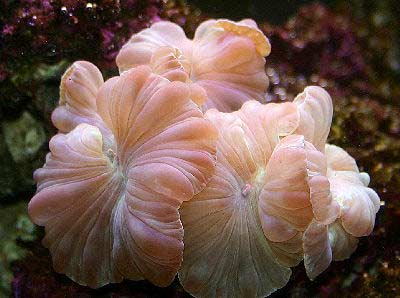
The Large Polyp Stony (SPS) corals have large polyps on a calcerous skeleton!
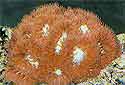
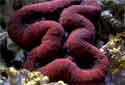
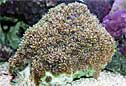
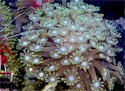
Hard corals are generally broken down into two categories; large polyp stony (LPS) corals and small polyp stony (SPS) corals. The LPS corals are generally larger calcareous corals. They have much larger fleshy polyps than those of the small polyp stony (SPS) corals.
Many LPS corals are quite hardy and can even be fast growing. These stony corals are generally easier to keep in the aquarium than the small polyp stony (SPS) corals. For the most part they require less intense lighting and a lower water movement than SPS corals.
Both of these types of corals lay down calcium on a hard skeleton via the polyps. Thus the name names stony coral or hard coral. This means they require adequate levels of calcium to thrive. Generally a level above 400 ppm is desirable. Many authors recommend 430-480 ppm calcium for these corals. Other elements needed for many of these corals to thrive are strontium, iodine, and trace elements. Many of these corals can be fed small bits of seafood (shellfish, crustaceans, squid, fish), but as they derive much of their nutrition from the zooxanthellae contained in their tissue, feeding is usually not necessary.
Corals like these will propagate either by spawning or by “budding”. This means the parent will grow small corals that will separate from the parent, or the parent will simply separate into multiple corals.
Many of these corals have long stinging tentacles called ‘sweeper tentacles‘ which serve to cut down on competing corals in the nearby vicinity so you must give them plenty of room in the aquarium. See the Frogspawn coral for a picture of sweeper tentacles.
For information about setting up a reef tank see: Reef Tanks – Mini-Reef Aquarium Basics
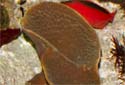
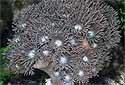
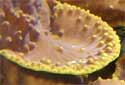
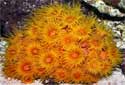
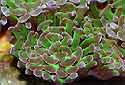
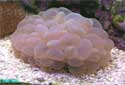
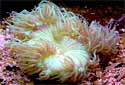
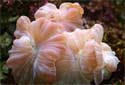
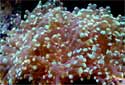
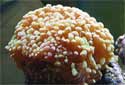
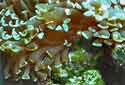
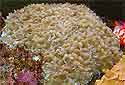
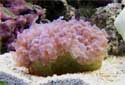
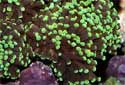
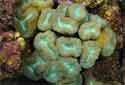
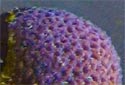
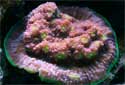
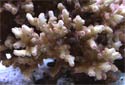
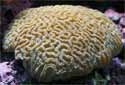
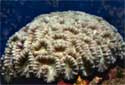
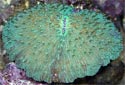
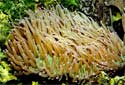
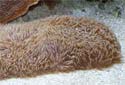
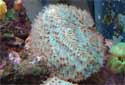
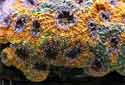
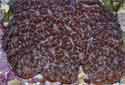
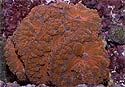
Coral_AcanDeshayesianaWRLps_DD1Ha03_vsm.jpg)
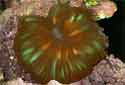
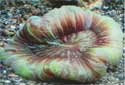
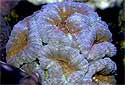
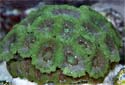
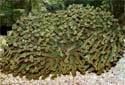
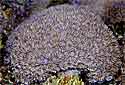
_TrachyGeoffroyiWRLps_C1671_vsm.jpg)
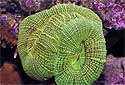
What Are SPS and LPS Corals
The coral reef is a beautiful world; comprised of anemones, mushroom corals, corals, crustaceans, and a myriad of other incredible animals. The word coral itself brings to mind the reef building hard corals, or stony corals. Stony corals produce a skeleton of calcium carbonate, which then becomes the foundation and building blocks of the coral reefs.
The Large Polyp Stony (LPS) Corals are a large and diverse group. They can have complex elegant shapes, and fascinating colors. Convenient terminology in the aquarium industry is to describe stony corals as either SPS corals (small polyp stony corals) or LPS corals (large polyp stony corals). What they look like becomes immediately obvious when you compare the size of their polyps. LPS have much larger polyps than the SPS. Though this generally works pretty well in recognizing a particular type of coral, it isn’t an exact description. There are occasional coral species whose polyps don’t fit the norm of their group, being too large or too small.
Types of Coral
Some LPS favorites include the Elegance Coral, Hammer, Galaxy, and Torch Corals, Frogspawn, Fox or Jasmine Corals, Disk and Plate Corals, and Bubble and Pearl Corals.
The following are those corals usually referred to as Large Polyp Stony (LPS) Corals:
- Alveopora
- Blastomussa
- Catalaphyllia (Elegance Coral)
- Caulastrea (Candycane Coral)
- Cynarina
- Euphyllia (Hammer Coral, Galaxy Coral, and Frogspawn)
- Favia
- Favites
- Fungia (Disk Coral)
- Galaxea
- Goniopora
- Goniastrea
- Heliofungia (Plate Coral)
- Herpolita
- Lobophyllia
- Montipora
- Mycedium
- Nemanzophyllia (Fox or Jasmine Coral)
- Physogyra (Bubble Coral)
- Platygyra
- Plererogyra (Pearl Coral)
- Polyphillia (Slipper coral)
- Scolymia
- Trachyphyllia
- Tubastrea
- Turbinaria
- Tubipora
- Wellsophyllia
Live Coral Care
Keeping a bit of coral reef in the home aquarium is an exciting and rewarding adventure. Reef tanks were once considered very difficult to keep. Keeping live coral is still somewhat demanding, but today the knowledge and equipment are readily available to the average hobbyist.
Beautiful home reefs can be either a simple reef with hardier, less demanding animals, or a more complex reef with higher maintenance specimens. Stony corals are more demanding and take a more dedicated effort. So keeping stony corals is itself a step beyond a simple or beginner reef.
Having reef-keeping experience is invaluable to successfully keeping hard corals. With some of the less demanding inhabitants you can hone your skills. You will develop an understanding of the unique habitat these animals thrive in. Some of the best inhabitants for a beginning reef are soft and leather corals, coral anemones, and anemones. Once you’ve gained success in keeping these, you will be ready to keep the more delicate and demanding stony corals.
Anyone with the desire to learn specific husbandry techniques and the willingness to purchase the proper equipment can keep a gorgeous reef aquarium. Of course the aquarist must invest his or her time in the care of these unique animals as well. See the individual corals for details on keeping each species in the aquarium.
Corals For Sale
Large polyp stony (LPS) corals are some of the most difficult corals to propagate in captivity and many specimens are wild caught. However, experience over the last few decades has strongly indicated that captive bred stony corals are much more adaptable and hardy than wild caught specimens. So it is better to acquire captive bred large polyp stony (LPS) corals when possible. You’ll not only get a more durable coral, but there are often many beautiful color morphs available.