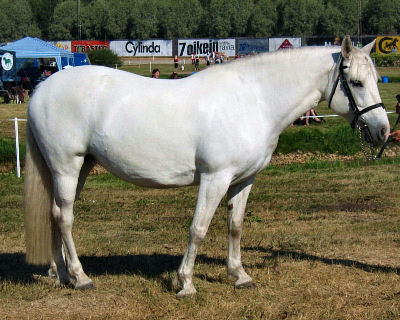
The Connemara Pony is Ireland’s only indigenous pony!
The Connemara Pony was bred, and gets its name from, the Connemara Region in the western part of Ireland. This is an area of rugged rocky and mountainous terrain. It’s pounded by the tide and the storms of the Atlantic. The Connemara is a hardy and tough pony breed, yet agile with a good jumping ability. These very durable ponies are easy keepers and known to be long-lived, easily living into their 30’s.
The mix of bloodlines that make up the Connemara is diverse and somewhat obscure. Their ancestors are believed to have been ponies similar in appearance to the Shetland Pony and the Norwegian Fjord. These ponies were then influenced with the blood of Celtic ponies in the 5th and 6th Centuries, and later by Spanish horses in the 16th century. In the 1700’s Arabian or Barb blood was introduced into the breed by wealthy landowners. Finally, in the latter part of the 1800’s, the Irish government introduced such breeds as the Welsh Cob, Thoroughbred, and the Clydesdale to the mix. Thus we have the beginning of the modern Connemara Pony seen today. The Connemara Pony Breeder Society was established in 1923, and the stud book was set up soon afterward.
The Connemara Pony is agile and energetic, but it is also intelligent making it a willing learner. It is a highly versatile with a good disposition. It is noted as one of the finest performance ponies for children and adults alike. As a sports pony, it is known for a good jumping ability and is competitive in show jumping. It is also good in dressage and eventing, has the stamina for endurance riding, and can be shown in harness. These ponies are fast and courageous, yet they are sensible, making them excellent schooling ponies for beginning riders.
- Kingdom: Animalia
- Phylum: Chordata
- Class: Mammalia
- Order: Perissodactyla
- Family: Equidae
- Genus: Equus
- Species: caballus
Horse Breeds
The Connemara Pony is one of the pony breeds. Ponies are generally considered to be 14.2 hands or smaller at maturity, however this is a general rule with many exceptions. Pony breeds have a slightly different appearance than the light horse breeds. They usually have thicker manes, tails and coats. They are proportionately shorter legged and rounder through the barrel. They have somewhat shorter and thicker necks and wider, stronger bones.
Ponies are well known for their superior intelligence and with good horse training, more tractable temperaments. Many of the pony breeds evolved where there was inferior nutrition and which resulted in a smaller breed. Ponies generally require less diligence in their care and often tend to be more independent than the other types of horses.
Well trained ponies can make wonderful mounts for children. Their small sizes make them less intimidating and are more closely matched to a child’s size and strength. They do well in many disciplines including driving, hunters on the flat and over fences, western driving classes, and pleasure riding. The can also show in dressage, equitation, show jumping, and other events; with top ponies even being competitive against full sized horses.
Horse Backgrounds
The Connemara was bred and gets its name from a region in the west of Ireland marked by rocky, barren mountainous terrain pounded by the tide and storms of the Atlantic. The hardy indigenous ancestors of the Connemara are likely to have been ponies with an appearance similar to the Shetland Pony and the Norwegian Fjord.
The indigenous ponies were influenced by the Celtic ponies brought with the Celtic raiders in the 5th and 6th Centuries, and later by Spanish horses that were brought to Galway in the 16th Century, an important trading center at the time. Legend says that Spanish horses also came to Ireland when ships from the Spanish Armada ran aground in 1588. In the 1700’s, wealthy landowners introduced Arab or Barb blood to the breed.
Then in 1897, the government attempted to prevent the deterioration of the breed by introducing improving breeds such as Welsh Cobs, Thoroughbreds, and Clydesdales, and this marked the beginnings of the modern Connemara. In an attempt to maintain the bloodlines of the breed, the Connemara Pony Breeder Society was established in 1923, and the stud book was set up soon afterward.
The first stallion to be recorded in the stud book was Cannon Ball, a magnificent horse that is a thing of legend in western Ireland to this day. Cannon Ball won the farmer’s Race at Oughterard for 16 years in a row and locals say that he was fed a half barrel of oats the night before the race. He worked in harness and was known for happily trotting home from market with his owner, Harry O’Toole, drunk and snoring on the floor of the cart. Cannon Ball’s death was celebrated with a traditional Irish ceremony with the entire community in attendance.
Description
Connemaras are strong and sturdy with a short back, powerful hindquarters, and a sloped, muscular croup. The breed has a fine head with small ears and a slightly dished profile set on a graceful, well-arched neck. They have a long, sloped shoulder and short, strong cannon bones. They have hard feet and a good stride length.
Connemara Ponies generally stand between 13-14.2 hands high and are usually gray and dun, although they also can be bay, brown, and black (paints are not acceptable for registry). The Connemara is considered sure-footed, hardy, and agile, with good jumping ability. The Connemara has a lively but eager and trainable temperament, and its owners say that its good disposition is its most outstanding characteristic.
Horse Care and Feeding
Connemaras are easy keepers and do not require a rich diet to stay healthy and fit.
Horse Training and Activities
The Connemara Ponies are extremely versatile as they are great performance ponies for showing and are also great for trail and pleasure riding. They are competitive as sport ponies in show jumping, dressage, and eventing. They can be ridden by adults and are a great size for children. They are known to be natural jumpers and are fast and courageous yet sensible, making them great schooling ponies for the beginning rider.
Common Health Problems
The Connemara Pony is strong and sturdy and has relatively few lameness problems. They are long-lived and can easily live into their 30’s.
Availability
The Connemara Pony has been exported from Ireland to all the European countries, the United States, New Zealand, and Australia. It is fairly available in all these countries for reasonable prices.
References
Maria Costantino, The Handbook of Horse Breeds, Barns and Noble, 2004
American Connemara Pony Society, Referenced online 2008
“Connemara pony”, Wikipedia, Referenced online 2008